
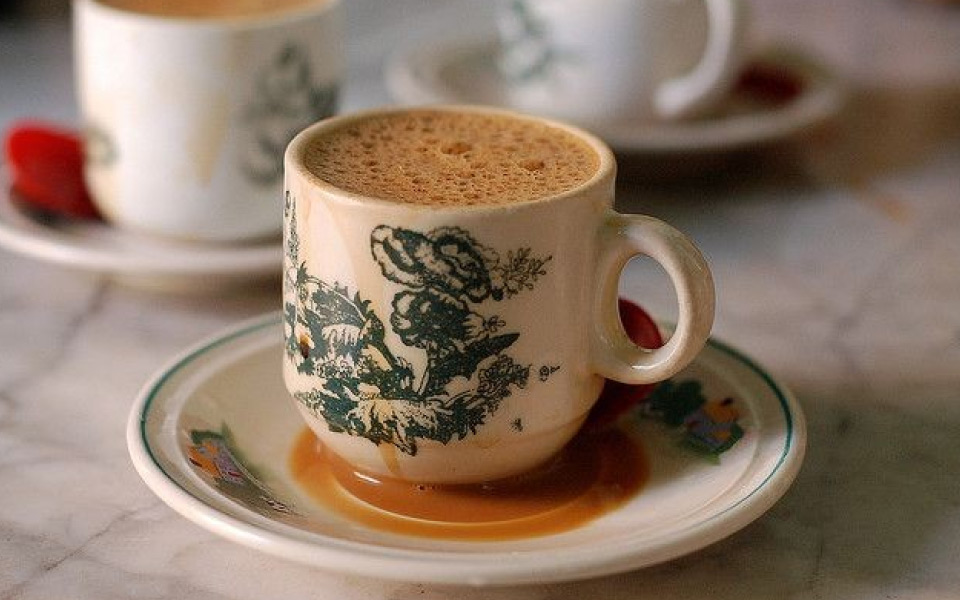
White coffee is one of the most misunderstood coffee terms in the world. Some people assume it’s coffee with milk. Others think it’s a lighter version of a latte. In reality, white coffee refers to a distinct coffee style with its own roasting method, flavour profile, and cultural roots.
From Malaysian kopitiams to specialty cafés and health-conscious home brewers, white coffee has grown from a regional favourite into a globally searched coffee term. In this guide, we’ll explain what white coffee really is, how it’s made, how it tastes, how it differs from regular coffee, and whether it’s worth trying.
What Is White Coffee?

White coffee is coffee made from beans roasted at a much lower temperature and for a shorter time than conventional coffee beans. The beans remain pale in colour—light beige or yellowish rather than brown or black—which is where the name “white coffee” comes from.
Despite the name, white coffee is not white in colour once brewed. The drink itself ranges from light brown to golden amber, depending on the brew method and bean origin.
The defining feature of white coffee is its roast level, not the presence of milk or cream.
The Origins of White Coffee
White coffee has two main interpretations, but the most historically significant comes from Malaysia, particularly the city of Ipoh.
Malaysian White Coffee

Malaysian white coffee emerged when traditional coffee roasters began roasting beans using margarine or palm oil at lower temperatures, avoiding sugar caramelisation and heavy charring. The goal was to produce a smoother, less bitter coffee that paired well with milk.
This style became a staple in kopitiams (traditional coffee shops), where it’s often served with sweetened condensed milk, creating the creamy, comforting drink many people associate with white coffee today.
Western / Specialty White Coffee

In Western specialty coffee contexts, white coffee refers to extremely light-roasted coffee beans, roasted just past the first crack—or sometimes not even reaching it. These beans are not oily, not dark, and not caramelised.
This version focuses on preserving the bean’s natural characteristics rather than developing roast flavours.
How White Coffee Is Roasted
Traditional coffee roasting brings beans to medium or dark brown through caramelisation and Maillard reactions. White coffee roasting stops much earlier.
Key differences in white coffee roasting:
- Lower roasting temperatures
- Shorter roast times
- Minimal caramelisation
- Little to no surface oil
Because of this, white coffee beans are harder and denser than regular roasted beans. This affects both grinding and brewing.
What Does White Coffee Taste Like?
White coffee tastes very different from standard coffee.
Common flavour characteristics include:
- Nutty
- Grain-like
- Earthy
- Mildly sweet
- Low bitterness
You won’t get smoky, chocolatey, or caramel notes typical of dark roasts. Instead, white coffee often tastes softer and more delicate, with a flavour profile closer to toasted nuts or cereal.
When served with milk (as in Malaysian white coffee), the result is smooth, creamy, and comforting, with almost no harsh bite.
Is White Coffee Less Bitter Than Regular Coffee?
Yes—significantly less bitter.
Bitterness in coffee largely comes from:
- Dark roasting
- Over-extraction
- Burnt sugars
Because white coffee is lightly roasted and lacks caramelised sugars, it naturally produces less bitterness, even when brewed strongly.
This makes white coffee appealing to people who:
- Find regular coffee too harsh
- Prefer smoother flavours
- Enjoy milk-based drinks
- Are new to coffee
Does White Coffee Have More Caffeine?
This is one of the most searched questions about white coffee.
The answer: white coffee can contain slightly more caffeine by weight, but the difference is usually small in practice.
Here’s why:
- Lighter roasts retain more caffeine than dark roasts
- White coffee beans are denser
- Grinding is often coarser or less efficient
In real-world brewing, caffeine content depends more on:
- Brew method
- Dose size
- Water ratio
So while white coffee may be marginally higher in caffeine, it’s not dramatically stronger than regular coffee.
How Is White Coffee Brewed?
White coffee can be brewed using many methods, but some work better than others due to bean hardness.
Popular Brewing Methods
- Drip coffee
- French press
- Cold brew
- Traditional sock brewing (kopitiam style)
Grinding Considerations
White coffee beans are harder than dark-roasted beans, which means:
- Blade grinders struggle
- Burr grinders are recommended
- Cheaper grinders may wear faster
Many people buy white coffee pre-ground to avoid grinder issues.
White Coffee vs Regular Coffee
Here’s how white coffee compares to conventional coffee:
Roast Level
White coffee is ultra-light roasted, while regular coffee ranges from light to dark.
Flavour
White coffee is nutty and mild; regular coffee offers caramel, chocolate, and roasted notes.
Bitterness
White coffee is much less bitter.
Body
White coffee is lighter and smoother.
Milk Pairing
White coffee pairs exceptionally well with milk and condensed milk.
Grinder Requirements
White coffee beans are harder and more demanding on grinders.
Is White Coffee Healthier?
White coffee is often marketed as a “healthier” option, but this depends on context.
Potential benefits:
- Lower bitterness may reduce stomach irritation
- Less roasting means fewer burnt compounds
- Often easier to drink without sugar
However, adding condensed milk and sugar, as in traditional Malaysian white coffee, increases calories significantly.
Plain white coffee brewed black is not inherently healthier than regular coffee—but it may feel gentler for some people.
Why White Coffee Is Trending Again
White coffee has gained renewed attention for several reasons:
- Increased interest in Asian coffee culture
- Demand for low-bitterness coffee
- Social media exposure of Ipoh white coffee
- Curiosity around alternative roast styles
As specialty coffee drinkers explore beyond dark roasts and espresso, white coffee offers a completely different experience.
Who Should Try White Coffee?
White coffee is ideal for:
- People who dislike bitter coffee
- Milk-coffee lovers
- Coffee beginners
- Fans of smooth, comforting drinks
- Those curious about global coffee traditions
It may not appeal to:
- Dark roast enthusiasts
- Espresso purists
- Those who love smoky or bold flavours
How to Drink White Coffee the Traditional Way
In Malaysian kopitiams, white coffee is often served:
- Hot
- Strong
- With sweetened condensed milk
- Sometimes alongside kaya toast
This style emphasises comfort rather than intensity and is deeply tied to coffee as a social ritual rather than a caffeine vehicle.
Final Verdict: Is White Coffee Worth Trying?
Absolutely.
White coffee isn’t a replacement for regular coffee—it’s a different expression of coffee altogether. Its low bitterness, nutty flavour, and smooth mouthfeel make it approachable and comforting, especially for those who find standard coffee too harsh.
Whether you try it kopitiam-style with condensed milk or brewed black as a light-roasted specialty coffee, white coffee offers a refreshing reminder that coffee doesn’t have to be dark, bitter, or intense to be enjoyable.
Sometimes, softer really is better.


