
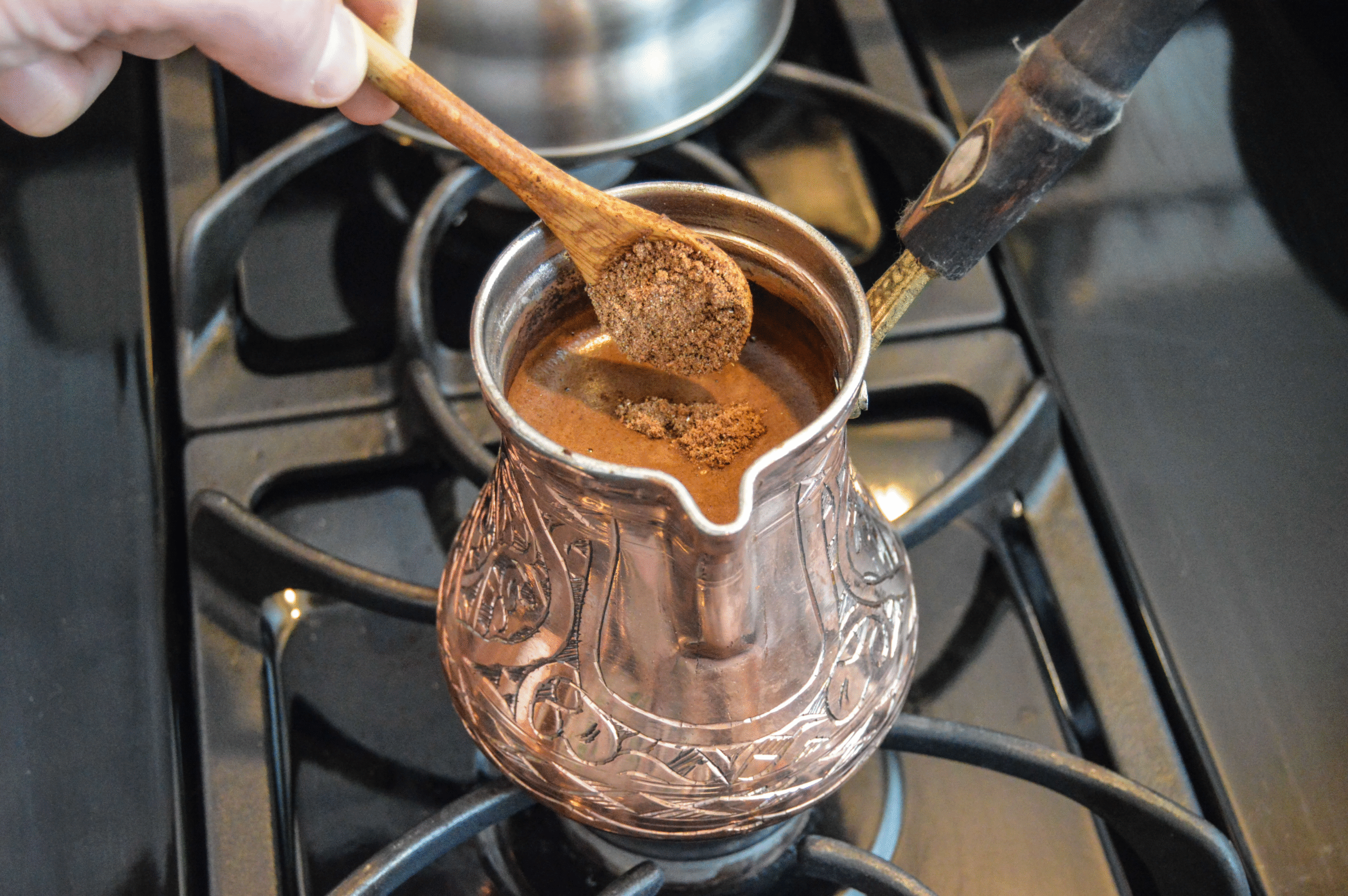
Long before espresso machines, pour-over drippers, or capsule systems existed, there was the cezve — a small, elegant pot that has been used for centuries to brew Turkish coffee. Simple in design yet deeply symbolic, the Turkish coffee pot remains one of the most culturally significant coffee tools in the world.
In this review, we’ll explore what a cezve is, how it works, the materials it’s made from, how it performs in real-world brewing, and whether it still has a place in modern coffee routines. More than just a brewing tool, the cezve represents a slower, more intentional way of making and enjoying coffee.
What Is a Turkish Coffee Pot (Cezve)?

A cezve (also known as an ibrik) is a small pot with a wide bottom, narrow neck, flared lip, and long handle. It is specifically designed for brewing Turkish coffee, a method where finely ground coffee is simmered directly in water — often with sugar — and served unfiltered.
Unlike most modern coffee brewing tools, the cezve doesn’t rely on pressure, paper filters, or complex mechanics. Instead, it uses gentle heat and precise timing to create a dense, aromatic coffee topped with foam, known as köpük. The grounds settle at the bottom of the cup after serving, forming part of the experience rather than something to avoid.
This method of brewing coffee is so culturally important that Turkish coffee culture and tradition is recognised by UNESCO as an Intangible Cultural Heritage of Humanity.
Design & Build: Why the Cezve Looks the Way It Does

At first glance, the cezve’s design seems almost too simple — but every element serves a purpose.
The wide base allows even heat distribution, which is crucial for slow, controlled brewing. The narrow neck helps trap foam at the top of the coffee, preventing it from dissipating too quickly. The flared spout makes pouring easier without disturbing the foam, and the long handle keeps your hand safely away from heat.
Traditional cezves are small, usually designed to brew one to four cups at a time. Each “cup” is quite small, reflecting the concentrated nature of Turkish coffee.
Materials: Copper, Stainless Steel, Ceramic & More
One of the most important aspects of a cezve is the material it’s made from, as this directly affects heat control and flavour.
Copper Cezve
Copper is the most traditional and widely respected material for cezves. It heats quickly and evenly, making it easier to control foam formation and extraction. Most high-quality copper cezves are lined with tin or stainless steel to prevent copper from reacting with coffee.
Copper is ideal for authenticity and performance, but it requires more care. The lining can wear over time and may need re-tinning, and copper should be hand-washed and dried immediately.
Stainless Steel Cezve
Stainless steel cezves are more modern and practical. They’re durable, easy to clean, and compatible with gas, electric, and induction stovetops. While stainless steel doesn’t conduct heat as efficiently as copper, many modern designs compensate with thicker bases.
For beginners or everyday use, stainless steel cezves offer excellent convenience with minimal maintenance.
Ceramic & Clay Cezve
Ceramic or clay cezves are less common but prized by some traditionalists. They heat more slowly, which can enhance flavour extraction, but they are fragile and not suitable for all stovetops. These are often used over sand or open flame rather than electric burners.
How Brewing with a Cezve Actually Works

Using a cezve is less about speed and more about attentiveness. Unlike drip or espresso, Turkish coffee requires you to watch the pot closely.
You start by adding cold water, extremely finely ground coffee (almost powder-like), and sugar if desired, directly into the pot. The mixture is stirred before heating — and never again once heat is applied.
As the cezve warms slowly, foam begins to form on the surface. This foam is essential; it’s a sign of proper extraction and is often spooned into cups before the coffee finishes brewing. The coffee is removed from heat just before boiling — boiling destroys the foam and introduces bitterness.
This brewing process encourages full extraction of coffee oils, producing a beverage that is thick, aromatic, and intensely flavoured.
Flavour & Texture: What to Expect from Turkish Coffee

Coffee brewed in a cezve is unlike any other style.
The flavour is bold, rich, and concentrated, but not sharp like espresso. Because the grounds remain in the cup, the coffee continues to evolve as you drink it. The body is heavy, almost velvety, with a lingering finish.
The foam adds a creamy mouthfeel without milk, while the ultra-fine grind allows subtle flavour compounds to shine through. When done well, Turkish coffee can reveal chocolatey, nutty, spicy, or even floral notes depending on the beans used.
This is not a coffee you rush. It’s meant to be sipped slowly, often accompanied by water or something sweet like Turkish delight.
Real-World Use: Is the Cezve Practical Today?
In a world dominated by convenience coffee machines, the cezve might seem impractical — but that’s not necessarily true.
For daily use, a cezve is:
- Compact and easy to store
- Energy-efficient
- Quiet and low-tech
- Ideal for small servings
It doesn’t require electricity beyond a heat source, and it’s one of the most travel-friendly brewing tools you can own. Many coffee lovers keep a cezve as a secondary brewing method for moments when they want something ritualistic and grounding.
That said, it does demand attention. You cannot walk away while brewing, and there’s a learning curve in mastering foam control and heat timing.
Cezve vs Other Coffee Brewing Tools
Compared to modern brewing methods, the cezve stands apart.
Unlike espresso machines, it doesn’t rely on pressure or mechanical precision. Compared to pour-over, it’s thicker and more intense. Unlike French press, it uses much finer grounds and no plunging mechanism.
What the cezve offers is direct immersion brewing with maximum contact, creating a cup that reflects centuries of refinement rather than technological innovation.
Who the Cezve Is Best For
The Turkish coffee pot is ideal for coffee drinkers who enjoy strong, full-bodied coffee and are curious about global coffee traditions. It’s perfect for those who appreciate slow rituals and hands-on brewing, and for anyone who wants to explore coffee beyond modern café menus.
It’s also well-suited to people with limited kitchen space, travellers, or those who want a brewing method that doesn’t depend on electricity or consumables like filters or pods.
However, it may not appeal to those who prefer clean, sediment-free coffee or who want a quick, automated morning routine.
Care & Maintenance
Maintaining a cezve is simple but important.
After each use, rinse thoroughly and dry completely, especially if it’s made of copper. Avoid abrasive cleaners, and never put a copper cezve in the dishwasher. Stainless steel models are more forgiving but still benefit from gentle care.
If your copper cezve is tin-lined, inspect it occasionally for wear. Re-tinning is possible and common for high-quality pieces.
Pros and Cons of Using a Turkish Coffee Pot
The cezve excels in delivering unmatched flavour depth, cultural authenticity, and a mindful brewing experience. It’s affordable, durable, and capable of producing a truly unique cup of coffee with minimal equipment.
On the downside, it requires practice, attention, and patience. It’s not ideal for brewing large volumes, and the presence of coffee grounds in the cup may be off-putting for some drinkers.
Final Verdict: Is the Cezve Still Worth It?
Absolutely — if you value tradition, flavour, and ritual.
The Turkish coffee pot is more than just a brewing tool; it’s a connection to coffee’s earliest roots. While it may not replace your everyday coffee maker, it offers something no modern machine can replicate: a deeply human, sensory experience that turns coffee into a moment rather than a habit.
In a fast-paced world of push-button brewing, the cezve reminds us that sometimes the best coffee is the one you slow down for.


2 Comments