
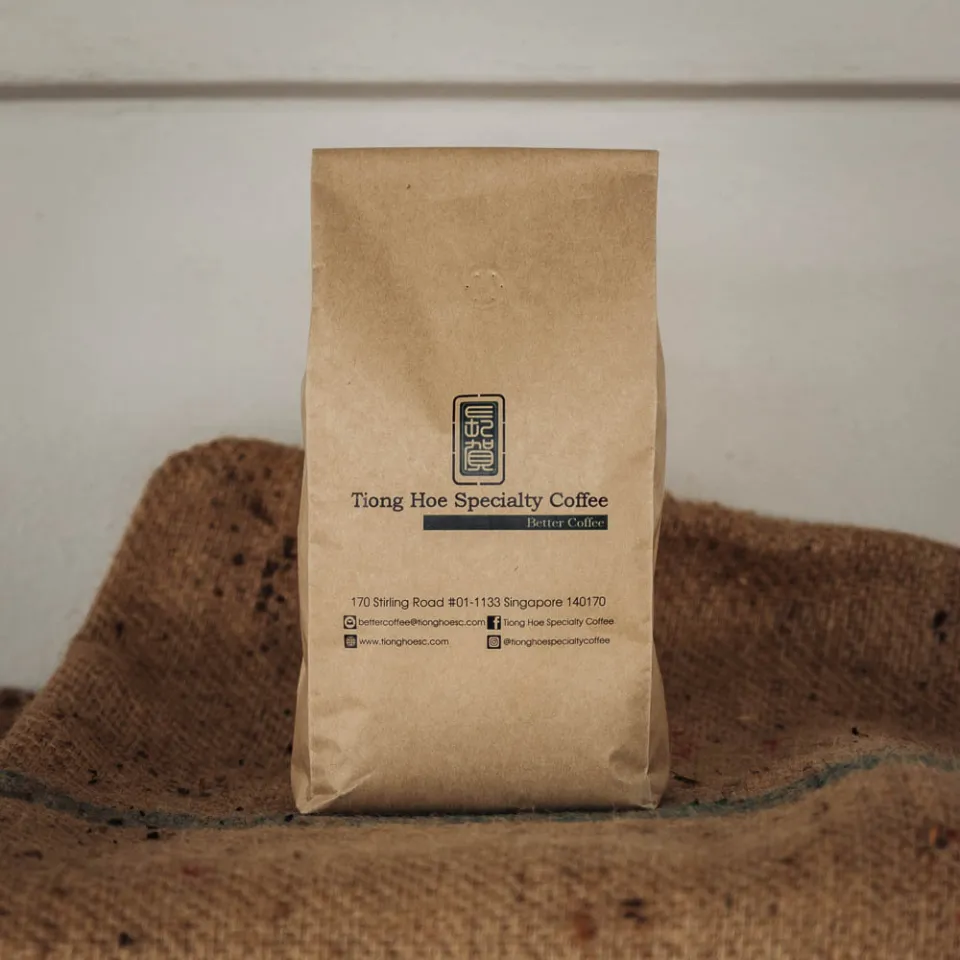
When it comes to specialty coffee in Singapore, few names carry the same legacy and credibility as Tiong Hoe Specialty Coffee. What began as a traditional coffee supplier decades ago has evolved into one of Singapore’s most respected specialty coffee roasters, supplying cafés, restaurants, offices, and home brewers with consistently high-quality beans.
In this in-depth review, we take a closer look at Tiong Hoe Specialty Coffee beans—their roasting philosophy, flavour profiles, popular offerings, and whether they’re worth buying for everyday brewing or more intentional coffee rituals.
A Brief Background on Tiong Hoe Specialty Coffee

Tiong Hoe’s story stretches back to the early days of Singapore’s coffee trade, long before “specialty coffee” became a buzzword. Over time, the brand transitioned from a traditional coffee supplier into a modern specialty roaster, embracing single-origin sourcing, transparent roasting practices, and education-led retail.
Today, Tiong Hoe operates both as a roastery and café, with a strong emphasis on freshness, traceability, and consistency. Their beans are widely used by cafés across Singapore, which already speaks volumes about their reliability and quality.
Roasting Philosophy: Balanced, Clean, and Accessible

One of the defining characteristics of Tiong Hoe coffee beans is their balanced roasting style. Rather than pushing aggressively light or overly dark profiles, Tiong Hoe aims for roasts that are approachable yet expressive.
Most of their beans fall into the medium to medium-light roast range, allowing origin characteristics to shine while still remaining friendly for milk-based drinks. This makes their beans especially versatile—suitable for espresso, filter coffee, and even traditional brewing methods.
There’s a clear emphasis on drinkability. Tiong Hoe beans rarely taste harsh, smoky, or overly acidic. Instead, they’re designed to taste good across a wide range of brew methods and skill levels.
Freshness and Packaging
Tiong Hoe places strong emphasis on fresh roasting. Beans are clearly labelled with roast dates, and turnover is generally high due to strong demand from both cafés and retail customers.
Packaging is clean, functional, and resealable, helping preserve freshness. While the design isn’t flashy, it reflects the brand’s no-nonsense, quality-first approach. What matters here is what’s inside the bag—and Tiong Hoe delivers.
Single-Origin Coffee Beans: Clean and Expressive

Tiong Hoe’s single-origin lineup rotates regularly, featuring beans from well-known coffee-producing regions such as Ethiopia, Colombia, Brazil, Guatemala, and Kenya.
Ethiopian Beans
Ethiopian offerings are typically floral and tea-like, with notes of citrus, stone fruit, or jasmine depending on processing. When brewed as pour-over or batch brew, these beans offer excellent clarity and aroma without overwhelming acidity.
Colombian Beans
Colombian single origins from Tiong Hoe are often crowd-pleasers. Expect balanced cups with caramel sweetness, gentle acidity, and hints of red fruit or cocoa. These beans work particularly well for espresso and milk-based drinks.
Brazilian Beans
Brazilian beans tend to be nutty, chocolate-forward, and low in acidity. Tiong Hoe’s roasts highlight smoothness and body, making them ideal for those who prefer comforting, classic coffee flavours.
Across their single-origin range, consistency is a standout strength. Even when profiles change, the quality remains dependable, which is crucial for home brewers who don’t want surprises in every bag.
Espresso Blends: Reliable and Café-Ready
Where Tiong Hoe truly shines is in its espresso blends. These blends are designed with practicality in mind—stable extraction, forgiving grind ranges, and flavours that cut through milk without tasting bitter.
Most blends lean toward chocolatey, nutty, and caramel notes, making them excellent for lattes, flat whites, cappuccinos, and kopi-style milk coffee. They’re especially popular among cafés because they perform well under pressure and remain consistent even with slight variations in grind or dose.
For home espresso users, this reliability is a huge advantage. You’re far less likely to waste beans struggling to dial in shots.
Brewing Performance at Home

Espresso
Tiong Hoe beans are generally easy to dial in, especially compared to ultra-light specialty roasts. They extract evenly, produce good crema, and maintain flavour balance even when slightly over- or under-extracted.
This makes them a strong choice for:
- Home espresso machines
- Bean-to-cup machines
- Office coffee setups
Pour-Over & Filter
Single-origin beans perform well for pour-over brewing methods like V60, Kalita, or Chemex. Expect clean cups with moderate acidity and well-defined sweetness rather than extreme brightness.
French Press & Immersion
Medium-roasted beans from Tiong Hoe work well in immersion brewing, producing full-bodied cups with minimal bitterness. Chocolate and nut notes are especially prominent here.
Milk Compatibility: A Key Strength
One of the reasons Tiong Hoe beans are so popular in Singapore is their excellent milk compatibility. Whether you’re using dairy or plant-based milk, the coffee flavours remain present and balanced.
Oat milk, in particular, pairs beautifully with their espresso blends, enhancing sweetness without masking coffee character. This makes Tiong Hoe a go-to choice for latte drinkers who don’t want their coffee to taste flat or diluted.
How Tiong Hoe Compares to Other Specialty Roasters
Compared to ultra-specialty roasters that focus heavily on experimental processing and very light roasts, Tiong Hoe is more practical and versatile. It prioritises consistency, approachability, and everyday usability over pushing flavour boundaries.
That doesn’t mean the beans are boring—rather, they’re designed to be enjoyed daily without fatigue. For many coffee drinkers, that’s actually a huge advantage.
If you’re someone who wants coffee that:
- Tastes good black or with milk
- Is forgiving to brew
- Works across multiple brew methods
Tiong Hoe offers excellent value and reliability.
Pricing and Value for Money
Tiong Hoe coffee beans are priced competitively within Singapore’s specialty coffee market. They’re not the cheapest beans available, but they offer strong value considering roast quality, consistency, and brand trust.
For home brewers, this makes them a sensible everyday option—especially if you want specialty-grade beans without paying premium experimental-roaster prices.
Who Tiong Hoe Coffee Beans Are Best For
Tiong Hoe Specialty Coffee beans are ideal for:
- Home coffee drinkers who want consistent, café-style results
- Espresso lovers who enjoy chocolatey, balanced profiles Latte and milk-coffee drinkers
- Beginners stepping into specialty coffee
- Offices and shared coffee setups
They may be less exciting for those who exclusively chase ultra-light, high-acidity, competition-style coffees—but that’s not who they’re designed for.
Sustainability and Sourcing
Tiong Hoe places increasing emphasis on responsible sourcing, working with reputable importers and producers. While they may not always market this as aggressively as some boutique roasters, their sourcing practices align with specialty coffee standards around traceability and ethical supply chains.
Final Verdict: Are Tiong Hoe Specialty Coffee Beans Worth Buying?
Absolutely—especially if you value consistency, balance, and everyday drinkability.
Tiong Hoe Specialty Coffee beans deliver what many coffee drinkers actually want: coffee that tastes good day after day, works across brew methods, and doesn’t require constant tweaking. They bridge the gap between traditional comfort and modern specialty standards with confidence.
Whether you’re pulling espresso at home, brewing pour-over on weekends, or making milk coffee every morning, Tiong Hoe beans are a dependable choice that rarely disappoints.


One Comment