
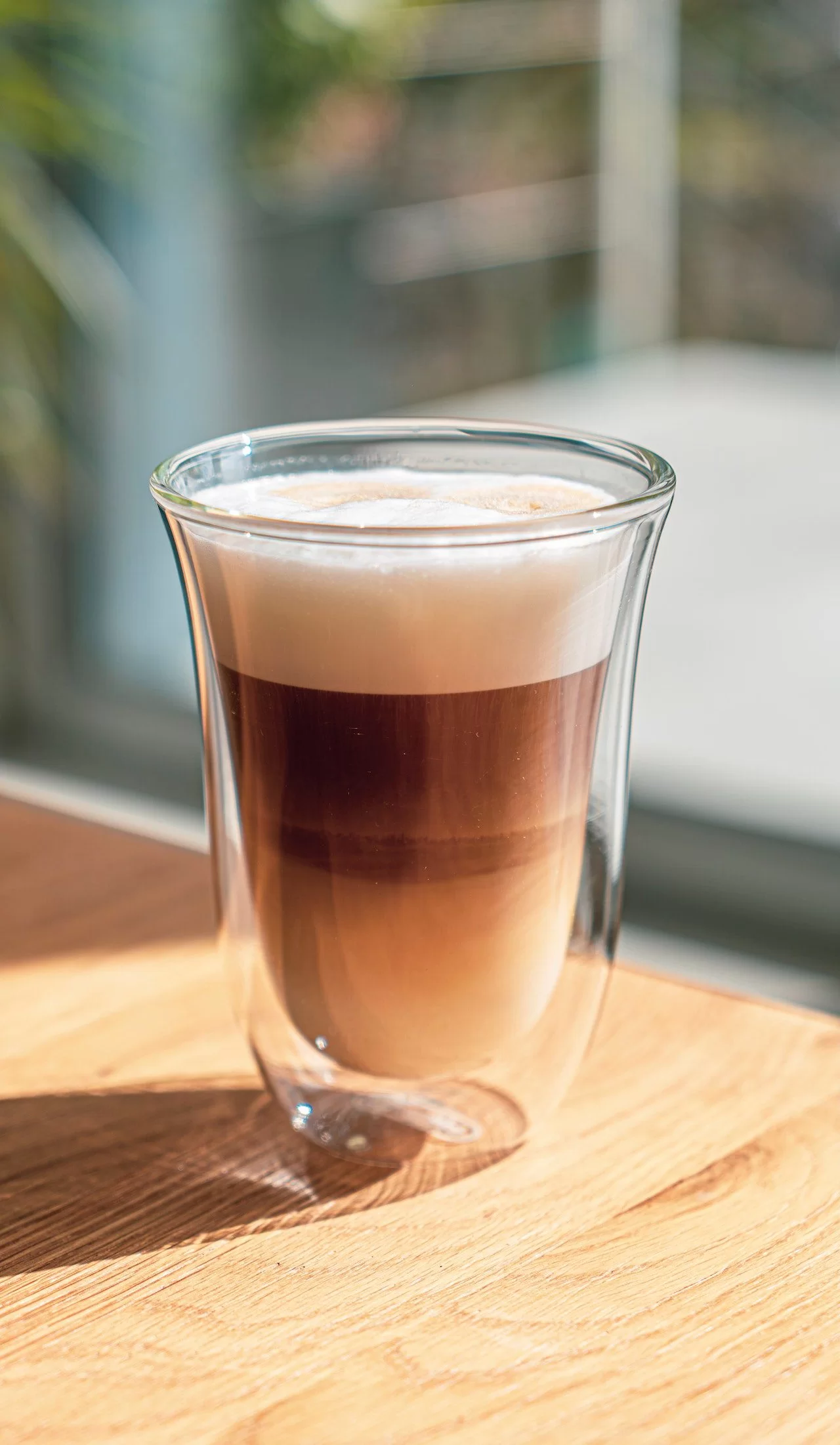
The Spanish latte has quietly become one of the most loved coffee drinks in cafés across Asia, the Middle East, and increasingly, Western specialty coffee shops. Creamy, gently sweet, and incredibly comforting, it sits somewhere between a classic latte and a dessert-style coffee—without tipping into overly sugary territory.
In this guide, we’ll explain what a Spanish latte is, how it differs from other milk-based coffees, why it’s so popular, and how to make a café-quality Spanish latte at home, both hot and iced.
What Is a Spanish Latte?

A Spanish latte is an espresso-based coffee made with sweetened condensed milk and fresh milk. Instead of relying solely on steamed milk like a regular latte, it uses condensed milk as the primary sweetener, giving the drink its signature rich, velvety sweetness.
At its core, a Spanish latte consists of:
- A shot (or two) of espresso
- Sweetened condensed milk
- Fresh milk (hot or cold, depending on the version)
The result is a coffee that’s smoother, rounder, and more indulgent than a standard latte, but still balanced enough to let the espresso shine.
The Origins of the Spanish Latte
Despite its name, the Spanish latte isn’t something you’ll commonly find in traditional cafés across Spain. Instead, its roots are more closely tied to Spanish-influenced coffee traditions, particularly drinks like café bombón, which originated in Valencia.
Café bombón is made with equal parts espresso and sweetened condensed milk, typically served in a glass to show off its layered appearance. Over time, cafés adapted this concept by adding fresh milk to soften the sweetness and create a more latte-like texture. That evolution is what we now recognise as the Spanish latte.
The drink gained massive popularity in:
- Southeast Asia (especially Singapore, Malaysia, and Thailand)
- South Korea
- The Middle East
These regions embraced the Spanish latte for its dessert-like comfort, Instagram-friendly appearance, and compatibility with iced coffee culture.
How Is a Spanish Latte Different from Other Lattes?

At first glance, a Spanish latte might look similar to a regular latte or even a vanilla latte, but the difference lies in how the sweetness is built into the drink.
A classic latte uses only espresso and steamed milk, relying on the natural lactose sweetness of milk. Any extra sweetness usually comes from syrups.
A Spanish latte, on the other hand, gets its sweetness primarily from condensed milk, which is milk that has had water removed and sugar added. This creates a deeper, caramel-like sweetness that feels richer and more satisfying.
Compared to a vanilla latte, the Spanish latte tastes less artificial and more rounded, since the sweetness comes from dairy rather than flavoured syrup. Compared to café bombón, it’s less intense and more balanced, thanks to the added fresh milk.
Why Spanish Lattes Are So Popular
The global rise of the Spanish latte isn’t accidental. It fits perfectly into modern coffee culture, especially in warmer climates and dessert-forward café scenes.
First, it’s approachable. Even people who find espresso too bitter often enjoy Spanish lattes because the condensed milk softens acidity and bitterness without masking coffee flavor completely.
Second, it works beautifully as an iced drink. When poured over ice, the condensed milk creates a creamy, luxurious mouthfeel that doesn’t get watery too quickly.
Third, it feels indulgent but familiar. It’s sweet, but not cloying. Rich, but not heavy. This balance makes it a staple on café menus where customers want comfort without complexity.
What Does a Spanish Latte Taste Like?
A well-made Spanish latte tastes:
- Creamy and smooth
- Gently sweet with caramelised milk notes
- Balanced, with espresso still present
- Comforting and dessert-like without overpowering sugar
The condensed milk adds body and sweetness, while the fresh milk lightens the drink so it remains easy to sip. The espresso provides structure, preventing the drink from tasting like plain sweet milk.
How to Make a Spanish Latte at Home (Hot Version)

Making a Spanish latte at home is surprisingly simple, and you don’t need any fancy ingredients.
Start by brewing one or two shots of espresso. If you don’t have an espresso machine, a strong moka pot coffee or AeroPress concentrate can work as a substitute.
In your cup, add 1 to 2 tablespoons of sweetened condensed milk. The amount depends on how sweet you like your coffee. Stir the espresso into the condensed milk until fully combined.
Next, steam or heat fresh milk until hot and slightly frothy. Pour it gently over the espresso mixture. Stir lightly and taste. You can always add more condensed milk if needed.
The result should be creamy, smooth, and lightly sweet, with the coffee still clearly present.
How to Make an Iced Spanish Latte

The iced Spanish latte is arguably even more popular than the hot version, especially in tropical climates.
Begin by adding condensed milk to a tall glass. Brew your espresso and pour it directly over the condensed milk, stirring well so it dissolves completely.
Fill the glass with ice, then pour in cold fresh milk. Give it a gentle stir, and your iced Spanish latte is ready to drink.
The layering effect—milk, espresso, and ice—is part of the appeal, but flavour-wise, it’s the creamy sweetness and chilled coffee that win people over.
Choosing the Right Coffee for a Spanish Latte
Because the drink already has built-in sweetness, coffee selection matters. Medium or medium-dark roasts tend to work best, offering chocolatey, nutty, or caramel notes that complement condensed milk.
Very light roasts with high acidity can sometimes clash with the richness of condensed milk, while extremely dark roasts may taste overly bitter when sweetened this way.
If you’re experimenting, start with a balanced espresso blend rather than a bright single-origin.
Can You Customise a Spanish Latte?
One of the reasons cafés love Spanish lattes is how easily they can be customised.
You can adjust the sweetness simply by changing the amount of condensed milk. Some cafés also use a blend of condensed milk and fresh milk to fine-tune richness.
Plant-based versions are increasingly common too. Oat milk works especially well, adding extra creaminess while keeping the drink dairy-light, though traditionalists still prefer regular milk for authenticity.
Some cafés add a subtle twist—like a pinch of cinnamon, a hint of vanilla, or even a touch of sea salt—but at its heart, the Spanish latte shines most when kept simple.
Spanish Latte vs Café Bombón
It’s easy to confuse these two drinks, but they serve different moods.
Café bombón is intense, sweet, and compact, usually made with equal parts espresso and condensed milk. It’s often served in a small glass and enjoyed slowly.
The Spanish latte is more relaxed and drinkable. By adding fresh milk, it becomes a full-sized beverage you can sip casually, hot or iced, without overwhelming sweetness.
If café bombón is a dessert shot, the Spanish latte is dessert coffee.
Is a Spanish Latte Very Sweet?
This depends entirely on how it’s made. At home, you control the sweetness. In cafés, most Spanish lattes are sweet, but not excessively so. The condensed milk provides richness more than sharp sugariness, especially when balanced with enough espresso.
If you’re watching sugar intake, you can reduce the condensed milk and still enjoy the drink’s creamy texture.
Why Cafés Keep Spanish Lattes on the Menu
From a café perspective, the Spanish latte is a winning drink. It appeals to a wide audience, works well hot or iced, and photographs beautifully. It also encourages repeat orders, especially from customers who prefer milk-forward coffees.
For baristas, it’s easy to make consistently and forgiving when it comes to espresso variations. Even slightly bitter shots become more pleasant when paired with condensed milk.
Final Thoughts: Why the Spanish Latte Deserves Its Popularity
The Spanish latte isn’t just a trend—it’s a reflection of how global coffee culture has evolved. It blends European coffee heritage with modern café sensibilities, offering comfort, sweetness, and approachability in one cup.
Whether you enjoy it iced on a hot afternoon or hot as a cozy treat, the Spanish latte delivers a café-style experience with minimal effort. Once you try making it at home, it’s easy to see why so many people keep coming back to it.
If you’re looking for a coffee that feels indulgent without being complicated, the Spanish latte might just become your new favourite.


