
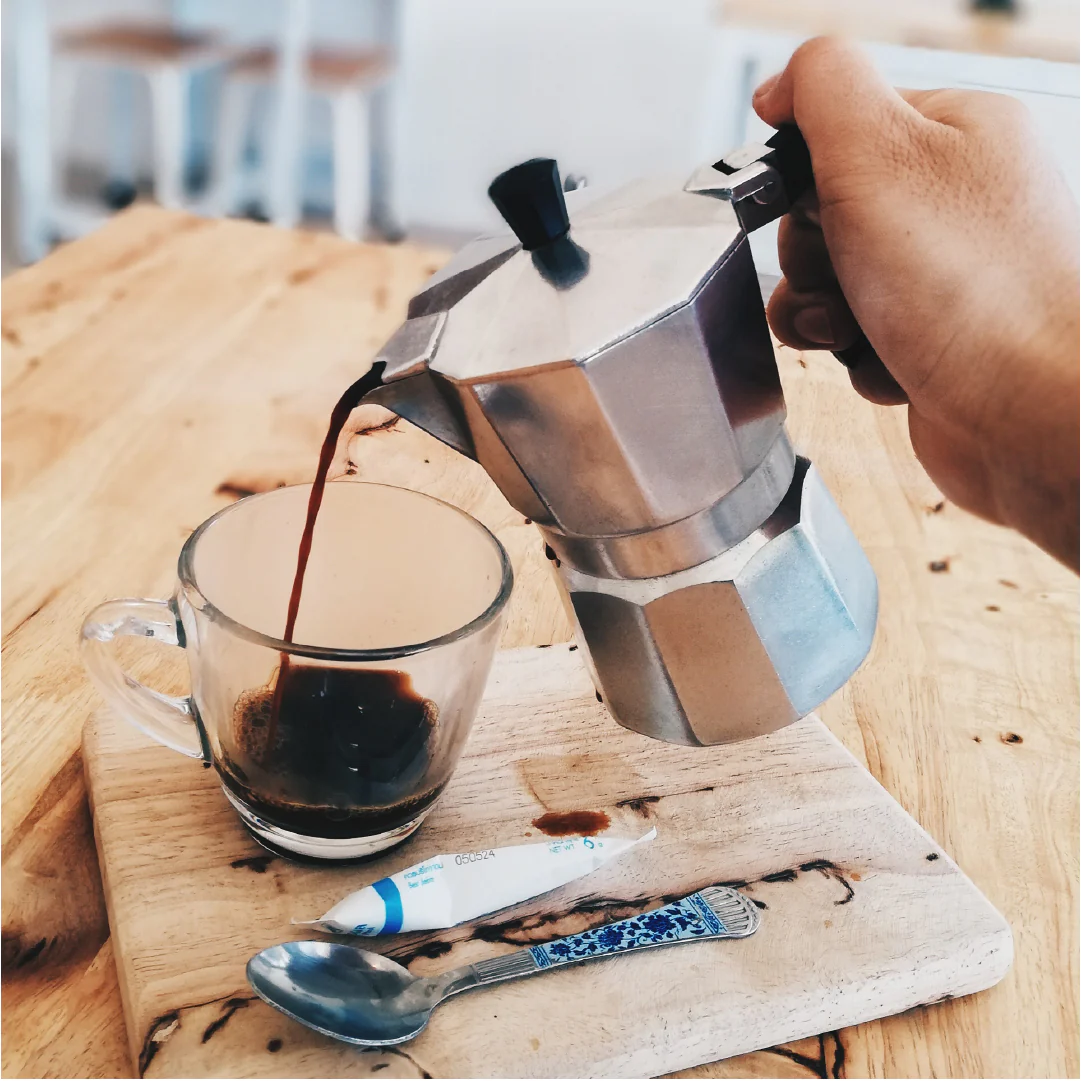
Long before espresso machines became household staples and pour-over drippers dominated specialty cafés, there was the moka pot. Found in Italian kitchens, European apartments, and coffee-loving homes around the world, this humble stovetop brewer has been making strong, aromatic coffee for nearly a century.
But in an era of precision grinders, PID-controlled espresso machines, and high-tech capsule systems, an honest question arises: is the moka pot still relevant today? Or has it become more of a nostalgic relic than a practical brewing tool?
In this in-depth review, we’ll look at how the moka pot works, the kind of coffee it produces, how it compares to modern brewing methods, and whether it still deserves a place in today’s coffee routines.
What Is a Moka Pot?

A moka pot is a stovetop coffee maker that brews coffee using steam pressure generated by boiling water. It typically consists of three chambers: a bottom chamber for water, a middle basket for ground coffee, and a top chamber where brewed coffee collects.
The most iconic design was popularised by Bialetti, whose octagonal aluminium moka pot became a symbol of Italian home coffee culture. Today, moka pots are available in aluminium and stainless steel, in sizes ranging from single-cup to large family brewers.
Despite often being associated with espresso, moka pot coffee is technically not espresso. The pressure generated (around 1–2 bars) is far lower than the 9 bars used in espresso machines. However, the result is still a strong, concentrated coffee that sits somewhere between espresso and filter coffee.
How the Moka Pot Works

The moka pot’s brewing process is simple but clever.
When placed on heat, water in the bottom chamber heats up and creates steam pressure. This pressure forces hot water upward through the coffee grounds and into the top chamber. Once the top chamber fills, the brew is complete.
There are no pumps, electronics, or filters—just heat, pressure, and time. This mechanical simplicity is one of the moka pot’s enduring strengths.
However, simplicity doesn’t mean foolproof. Heat control, grind size, and timing all play a crucial role in how good the final cup tastes.
What Does Moka Pot Coffee Taste Like?

Moka pot coffee is bold, intense, and full-bodied. It has more strength and weight than pour-over or drip coffee, but less crema and sharpness than espresso.
Well-brewed moka pot coffee often highlights:
- Chocolatey and nutty notes
- Caramelised sweetness
- A rich, syrupy mouthfeel
Because the brewing temperature can run high, moka pot coffee can also turn bitter if overheated or over-extracted. This is why many people remember moka pot coffee as harsh—it’s often a result of technique rather than the tool itself.
With good beans and proper brewing, a moka pot can produce a surprisingly smooth and satisfying cup.
Why the Moka Pot Became So Popular
The moka pot rose to prominence because it solved a real problem: how to make strong coffee at home without expensive equipment.
At the time of its invention, espresso machines were large, costly, and limited to cafés. The moka pot offered a compact, affordable alternative that fit neatly on a stovetop and delivered café-style strength.
It also aligned perfectly with European coffee culture, where coffee is often enjoyed at home, after meals, or as part of daily routine rather than as a takeaway drink.
That cultural relevance has kept the moka pot alive even as new brewing methods emerged.
Moka Pot vs Modern Coffee Brewing Methods
Moka Pot vs Espresso Machine
While moka pot coffee is strong, it lacks the pressure required for true espresso extraction. You won’t get thick crema or the same level of flavour separation. However, the moka pot is far cheaper, easier to maintain, and doesn’t require electricity.
For many people, it delivers “espresso-like” satisfaction without espresso-machine complexity.
Moka Pot vs Pour-Over
Pour-over methods prioritise clarity and nuance, while moka pots focus on strength and body. If you enjoy light roasts and delicate acidity, pour-over may suit you better. If you prefer rich, comforting flavours, moka pots still shine.
Moka Pot vs Capsule Machines
Compared to capsule machines, moka pots offer:
- Lower long-term cost
- Less waste
- Greater control over beans
Capsule machines win on convenience, but moka pots win on sustainability and flavour authenticity.
Is the Moka Pot Still Relevant Today?
Absolutely—but with context.
The moka pot remains relevant because it:
- Requires no electricity
- Is compact and travel-friendly
- Produces strong coffee at low cost
- Has minimal environmental impact
In today’s world of rising capsule waste and expensive machines, these factors matter more than ever.
It may not appeal to those who want one-touch convenience or café-perfect espresso shots, but for many households, the moka pot still fits beautifully into modern life.
Who the Moka Pot Is Best For
The moka pot is ideal for:
- Coffee drinkers who enjoy bold, strong flavours
- People with limited kitchen space
- Travelers and campers
- Sustainability-minded coffee lovers
- Those who enjoy hands-on brewing rituals
It’s less suitable for:
- Light-roast specialty purists
- Espresso purists chasing crema and precision
- Those who dislike stovetop brewing
Common Mistakes That Make Moka Pot Coffee Taste Bad
Many people dismiss moka pots because of poor early experiences. Common mistakes include:
- Using boiling water from the start
- Grinding coffee too fine
- Packing grounds too tightly
- Brewing on high heat
- Leaving the pot on heat too long
When brewed gently with medium-fine coffee and moderate heat, the moka pot produces far better results than its reputation suggests.
Modern Improvements to the Classic Moka Pot
Today’s moka pots have evolved slightly to meet modern needs.
Stainless steel versions work on induction stoves. Improved valve designs enhance safety. Some models even include temperature indicators or pressure optimisation features.
These updates make the moka pot more adaptable than ever without compromising its core simplicity.
Cost and Longevity
One of the moka pot’s strongest arguments is value.
A well-made moka pot can last decades with basic care. There are no pumps to fail, no electronics to break, and no consumables beyond coffee itself.
In terms of cost-per-cup, it remains one of the most economical ways to enjoy strong coffee at home.
How the Moka Pot Fits into Modern Coffee Culture
Interestingly, the moka pot has found renewed popularity among younger coffee drinkers. As people rediscover slow living, minimalism, and intentional rituals, the moka pot feels less outdated and more timeless.
It has also become a gateway tool—introducing people to brewing variables before they explore espresso machines or specialty pour-over methods.
Final Verdict: Is the Moka Pot Still Worth Using Today?
Yes—if you understand what it is and what it isn’t.
The moka pot isn’t trying to replace modern espresso machines or compete with high-clarity pour-overs. Its strength lies in simplicity, affordability, and its ability to produce rich, satisfying coffee with minimal equipment.
In a world obsessed with upgrades and complexity, the moka pot reminds us that good coffee doesn’t have to be complicated. With the right technique, it remains one of the most relevant—and enjoyable—brewing methods today.
Sometimes, the old ways still work beautifully.


