
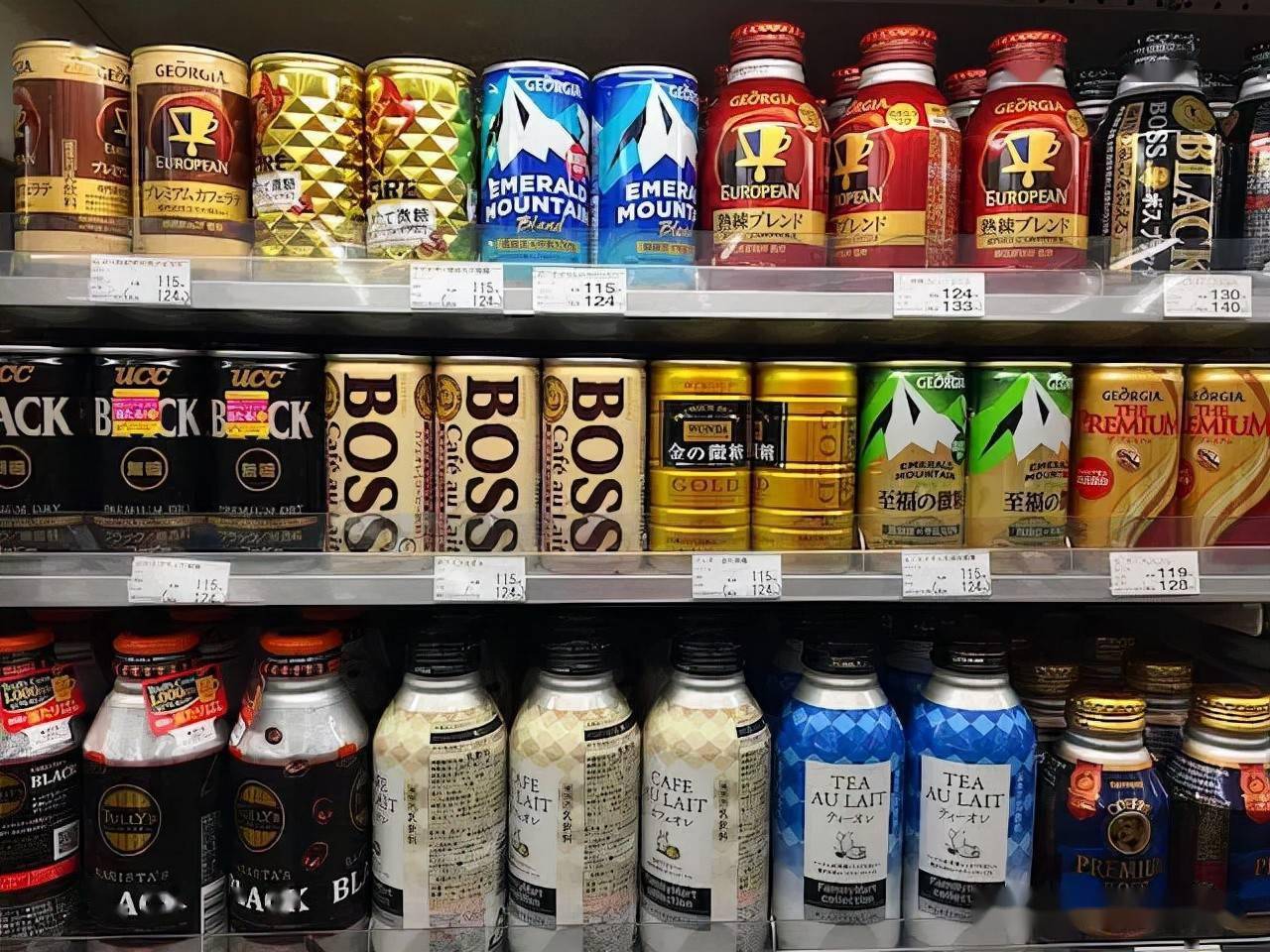
In Japan, coffee isn’t just a morning ritual — it’s a lifestyle. And while many countries take pride in their pour-overs and espresso bars, Japan quietly revolutionised something few people ever thought could be elevated: canned coffee.
Yes, the same type of beverage you might walk past in a convenience store cooler elsewhere has been transformed in Japan into a cultural icon, a technological marvel, and a surprisingly delicious pick-me-up. From vending machines on nearly every corner to collaborations with global coffee brands, Japanese canned coffee is the innovation no one saw coming — and it’s become a cornerstone of everyday life in the Land of the Rising Sun.
The Origins of Canned Coffee in Japan

Japan’s love affair with canned coffee began over half a century ago, in the late 1960s. The story starts with a man named Ueshima Tadao, the founder of UCC (Ueshima Coffee Company). In 1969, UCC released the world’s first ready-to-drink canned coffee — UCC Coffee with Milk — designed for commuters who didn’t have time to brew a cup before work.
The idea was simple yet groundbreaking: a pre-brewed coffee that could be stored, transported, and consumed anywhere. Unlike other beverages at the time, UCC’s creation wasn’t just about convenience — it captured the flavour and comfort of café coffee in a can.
The innovation caught on quickly. By the 1970s, canned coffee had become a fixture in Japanese vending machines, and soon, nearly every beverage company — from Suntory and Asahi to Kirin and Coca-Cola Japan — released their own versions.
Why Canned Coffee Works So Well in Japan
Japan’s success with canned coffee isn’t just about the product itself — it’s about the culture that surrounds it.
- Convenience is King
Japan thrives on efficiency. From train schedules that run to the second to compact living spaces designed for maximum utility, convenience drives innovation. Canned coffee fits perfectly into this culture — it’s portable, shelf-stable, and available 24/7. - The Vending Machine Revolution
Japan has over 4 million vending machines, and a huge portion of them sell coffee. These machines aren’t just cold drink dispensers; many can heat beverages too. That means you can grab a warm can of coffee on a winter morning or a chilled one in summer — both perfectly brewed and ready to drink. - Attention to Quality
Unlike many canned drinks elsewhere, Japanese canned coffee isn’t an afterthought. Each brand meticulously balances bitterness, sweetness, and texture. Some even use single-origin beans or nitrogen infusion to mimic the mouthfeel of freshly brewed coffee. - Cultural Acceptance of Subtle Innovation
Japan excels at refining existing ideas. Instead of reinventing coffee, the Japanese perfected a version that fits modern urban life — precise, reliable, and beautifully packaged.
A Tour of Japan’s Most Iconic Canned Coffees
While dozens of brands compete in the canned coffee market, a few names stand out as cultural icons.
1. UCC Coffee Original

The pioneer that started it all. UCC Coffee with Milk is smooth, slightly sweet, and distinctly nostalgic. You’ll still find it in vending machines, supermarkets, and convenience stores across Japan.
2. Boss Coffee (Suntory)

Launched in 1992, Boss Coffee quickly became the face of canned coffee thanks to its “Boss is the boss of them all” marketing — and a little help from actor Tommy Lee Jones, who starred in over 60 Japanese commercials as an alien studying human life. The branding may be quirky, but the coffee? Balanced, strong, and surprisingly refined.
3. Georgia Coffee (Coca-Cola Japan)

Coca-Cola’s answer to Japan’s growing coffee craze, Georgia offers a wide variety — from creamy Emerald Mountain Blend to black, sugar-free options. Georgia’s widespread distribution made canned coffee a true national staple.
4. Wonda (Asahi)

Known for its slightly more aromatic profile, Wonda’s lineup includes premium options like Morning Shot (a strong brew for early risers) and Gold Quality (a smoother, mellow blend).
5. Kirin Fire

This brand leans into its name — literally “fired coffee.” Kirin Fire is roasted at high temperatures to bring out deep, caramelised notes that appeal to those who love bold flavors.
The Technology Behind the Taste
Canned coffee might sound simple — coffee in a can — but Japan has perfected the process down to a science.
Each can is sterilised under heat and pressure, ensuring safety and freshness for months. Special linings prevent metallic flavour contamination, while nitrogen flushing preserves the aroma of the beans.
Many companies have even developed dual-layer cans to maintain ideal serving temperatures — keeping coffee hot in winter and cold in summer. And vending machines use internal sensors to regulate these temperatures precisely, ensuring your drink is always perfect.
This attention to detail reflects Japan’s broader philosophy of monozukuri — craftsmanship and pride in making things well.
How Japanese Canned Coffee Went Global
In the past decade, Japanese canned coffee has found fans far beyond its borders.
- Boss Coffee began exporting to Australia, the U.S., and Southeast Asia, where it’s marketed as a premium ready-to-drink (RTD) option.
- UCC now operates cafés in Singapore, Hong Kong, and Hawaii, using canned coffee as a gateway product for new markets.
- Even convenience stores in Malaysia, Thailand, and the Philippines have started stocking Japanese imports — with locals praising their balanced sweetness and smooth texture.
Canned coffee has even influenced Western coffee culture. Major brands like Starbucks and Dunkin’ have released their own RTD cans, though few can match Japan’s level of precision and flavour consistency.
What Makes Japanese Canned Coffee So Unique?
It’s not just the packaging — it’s the philosophy.
Japanese canned coffee balances craftsmanship with accessibility. It captures what Japan does best: taking something ordinary and elevating it through small, thoughtful improvements.
Here’s what sets it apart:
- Balance of flavors: Slightly sweetened but never cloying.
- Variety: Dozens of blends and roast levels cater to every taste.
- Temperature innovation: Available both hot and cold, often in the same vending machine.
- Aesthetic design: Each can is beautifully crafted — a collectible for design lovers.
- Cultural connection: It’s not just a drink; it’s a symbol of Japanese work culture and modern life.
A Symbol of Modern Japan
Canned coffee represents something deeper in Japanese society: the balance between tradition and progress.
Office workers grab one on their morning commute, students sip one during late-night study sessions, and travelers find comfort in the familiar metallic click of a vending machine dispensing a warm can on a cold evening.
It’s a quiet ritual that speaks volumes about Japan’s rhythm — busy yet orderly, innovative yet humble.
Even the act of drinking canned coffee has a sense of mindfulness. You crack open the can, hear the gentle hiss, and take that first sip — strong, slightly sweet, and perfectly brewed. For a moment, time slows down.
The Future of Canned Coffee
While Japan continues to lead the world in canned coffee innovation, new trends are emerging.
- Sustainability: Eco-friendly cans and recycled aluminum are becoming standard.
- Premiumization: Limited-edition collaborations with specialty roasters are growing in popularity.
- Health-conscious options: Sugar-free, plant-based, and functional canned coffees (with added collagen or vitamins) are appearing on shelves.
Even tech companies are joining in — experimenting with smart vending machines that recommend coffee based on weather, time of day, or your past preferences.
Japan’s canned coffee market may be decades old, but it’s far from stagnant. If anything, it continues to evolve faster than most of the global coffee scene.
Final Thoughts
Japanese canned coffee is the innovation no one expected — a small, unassuming can that captures the heart of Japan’s design philosophy: function, beauty, and precision in every detail.
It’s not trying to be artisanal or exclusive; it’s coffee for everyone — crafted with care, available anywhere, and always consistent.
So next time you visit Japan, skip the fancy cafés for a day. Find a vending machine, press the button for a can of Boss, Georgia, or UCC, and taste the quiet perfection of Japan’s most underrated coffee experience.
Because sometimes, the most extraordinary innovations come in the simplest packages — like a humble can of coffee that changed the way a nation drinks.


