
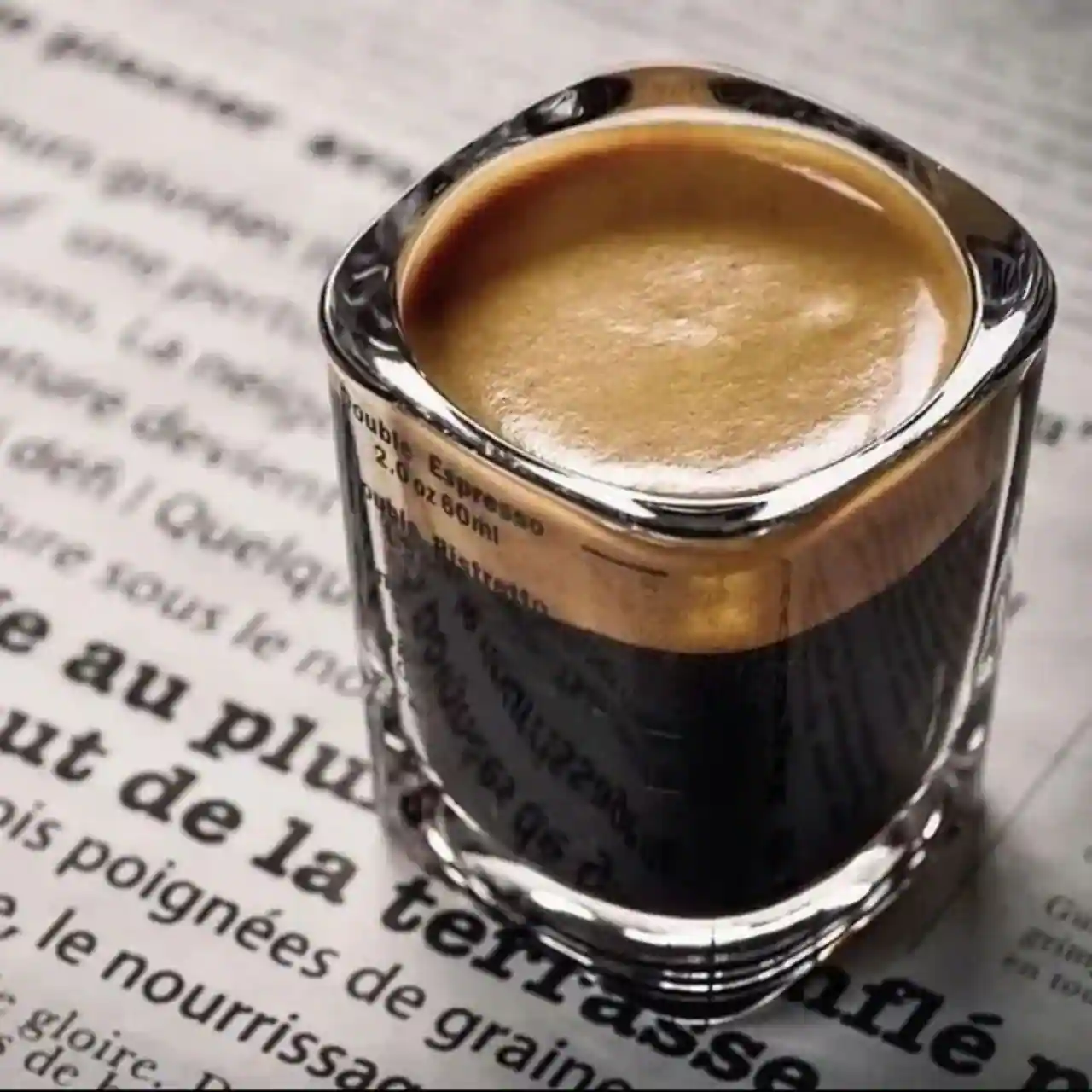
If you’ve ever ordered coffee at a café and heard the term doppio, you may have wondered how it differs from a regular espresso. While it sounds fancy, a doppio is actually one of the most fundamental espresso drinks in the coffee world—and one that baristas rely on daily. Understanding what a doppio is, how it’s made, and why it matters will deepen your appreciation for espresso-based coffee and help you brew better shots at home.
This guide explains exactly what a doppio is, how it compares to other espresso drinks, and how you can make a café-quality doppio yourself.
What Is a Doppio?

A doppio is simply a double espresso. The word doppio means “double” in Italian, and in Italian cafés, ordering an espresso often defaults to a doppio—especially in specialty coffee shops.
In technical terms, a doppio is made by extracting two espresso shots simultaneously using a double portafilter. Instead of pulling one small shot, the barista uses twice the coffee grounds and twice the water, resulting in a stronger, fuller-bodied espresso.
A traditional doppio typically contains:
- Around 18–20 grams of ground coffee
- Yielding 36–40 ml of liquid espresso
- Brewed in 25–30 seconds
The result is a richer, more balanced espresso with greater depth and complexity than a single shot.
Doppio vs Single Espresso: What’s the Difference?
The main difference between a doppio and a single espresso lies in dose and balance.
A single espresso uses about 7–9 grams of coffee and produces roughly 25–30 ml of liquid. While perfectly acceptable, single shots can sometimes taste overly intense, sharp, or unbalanced—especially with modern specialty coffee beans.
A doppio, on the other hand, gives baristas more room to achieve balance. With more coffee grounds and a slightly larger yield, flavors tend to be rounder, sweeter, and more expressive. This is why most cafés today use doppios as the base for drinks like lattes, cappuccinos, and flat whites.
In short, a doppio isn’t just “more caffeine”—it’s often a better-tasting espresso.
Why Baristas Prefer Doppios
In modern café settings, the doppio is the industry standard. Baristas favour it for several reasons.
First, consistency. Dialing in espresso is easier with a double shot because small errors in grind size or extraction have less dramatic impact on flavour. Second, balance. A doppio allows sweetness, acidity, and body to harmonise more naturally. Third, versatility. A doppio works well on its own and holds up better when milk or water is added.
For these reasons, many specialty cafés don’t even list “single espresso” on the menu. When you order an espresso, you’re often getting a doppio by default.
What Does a Doppio Taste Like?
A well-made doppio should taste smooth, concentrated, and layered, not bitter or harsh. Flavour notes depend on the coffee beans used, but common characteristics include:
- A syrupy mouthfeel
- Balanced acidity
- Pronounced sweetness
- A lingering, pleasant aftertaste
Compared to a lungo (long espresso), a doppio is more concentrated and less watery. Compared to a ristretto, it’s slightly less intense but more rounded and accessible.
If your doppio tastes overly bitter or sour, it’s usually a sign of improper grind size, poor extraction timing, or stale beans.
How Much Caffeine Is in a Doppio?
A doppio typically contains 120–140 mg of caffeine, depending on the beans and roast level. That’s roughly double the caffeine of a single espresso and similar to a small cup of brewed coffee—but delivered in a much smaller volume.
Because it’s concentrated, a doppio often feels more stimulating, even if the total caffeine is comparable to other coffee drinks.
How to Make a Doppio at Home

Making a proper doppio at home is easier than it sounds, as long as you have the right tools and pay attention to a few key details.
What You’ll Need
You’ll need an espresso machine with a double-shot portafilter, a burr grinder, fresh coffee beans, and a scale (optional but highly recommended). Freshness matters—coffee beans should ideally be used within two to four weeks of roasting.
Step 1: Choose the Right Beans
Medium to medium-dark roasts are popular for doppios because they offer good sweetness and body, but light roasts can work beautifully if your grinder and machine are capable. Look for beans labeled “espresso roast” or “suitable for espresso” if you’re just starting out.
Step 2: Grind Your Coffee
Grind size is critical. Your coffee should be ground fine, similar in texture to table salt. Too coarse, and the espresso will run too fast and taste sour. Too fine, and it will extract too slowly and taste bitter.
Use 18–20 grams of ground coffee for a standard doppio.
Step 3: Dose and Tamp
Place the ground coffee into your double portafilter basket and distribute it evenly. Tamp firmly and level to ensure even water flow during extraction. Uneven tamping can cause channeling, leading to inconsistent flavour.
Step 4: Pull the Shot
Lock the portafilter into your machine and start the extraction. Aim for a yield of 36–40 ml in about 25–30 seconds.
Watch the flow. It should start as a slow drip and then form a steady, honey-like stream. The crema on top should be thick and golden-brown.
Step 5: Taste and Adjust
Taste your doppio immediately. If it’s sour, grind slightly finer or increase extraction time. If it’s bitter, grind slightly coarser or stop the shot earlier. Espresso is all about small adjustments.
Common Mistakes When Making a Doppio
One of the most common mistakes is using pre-ground coffee, which stales quickly and leads to flat or bitter espresso. Another is rushing the extraction or ignoring ratios.
Temperature also matters. Water that’s too hot can scorch the coffee, while water that’s too cool won’t extract enough flavour. Most espresso machines are designed to handle this automatically, but consistency still matters.
Lastly, don’t overlook cleanliness. Old coffee oils left in the portafilter or group head can ruin the taste of even the best beans.
Doppio vs Other Espresso Drinks
Understanding how a doppio compares to other espresso styles helps clarify why it’s so popular.
- A ristretto uses the same amount of coffee but less water, producing a more intense, syrupy shot.
- A lungo uses more water, resulting in a thinner, more diluted espresso.
- An Americano adds hot water after extraction, while milk-based drinks build on the doppio as a foundation.
Among all of these, the doppio is the most versatile and balanced, making it the backbone of modern espresso culture.
Is a Doppio Right for You?
If you enjoy bold coffee flavours and want to experience espresso as baristas do, a doppio is absolutely worth trying. It’s ideal for those who want intensity without harshness and complexity without dilution.
For home brewers, mastering the doppio is a gateway skill. Once you can consistently pull a good double shot, every other espresso drink becomes easier to make—and better tasting.
Final Thoughts
A doppio may sound like just “two shots of espresso,” but in reality, it represents the heart of modern coffee brewing. It’s the standard used by cafés around the world, the base for countless espresso drinks, and one of the best ways to experience coffee’s depth and character.
Whether you drink it straight or use it as the foundation for a latte or cappuccino, learning how to make a proper doppio will elevate your coffee routine and bring café-quality flavour into your home.


