
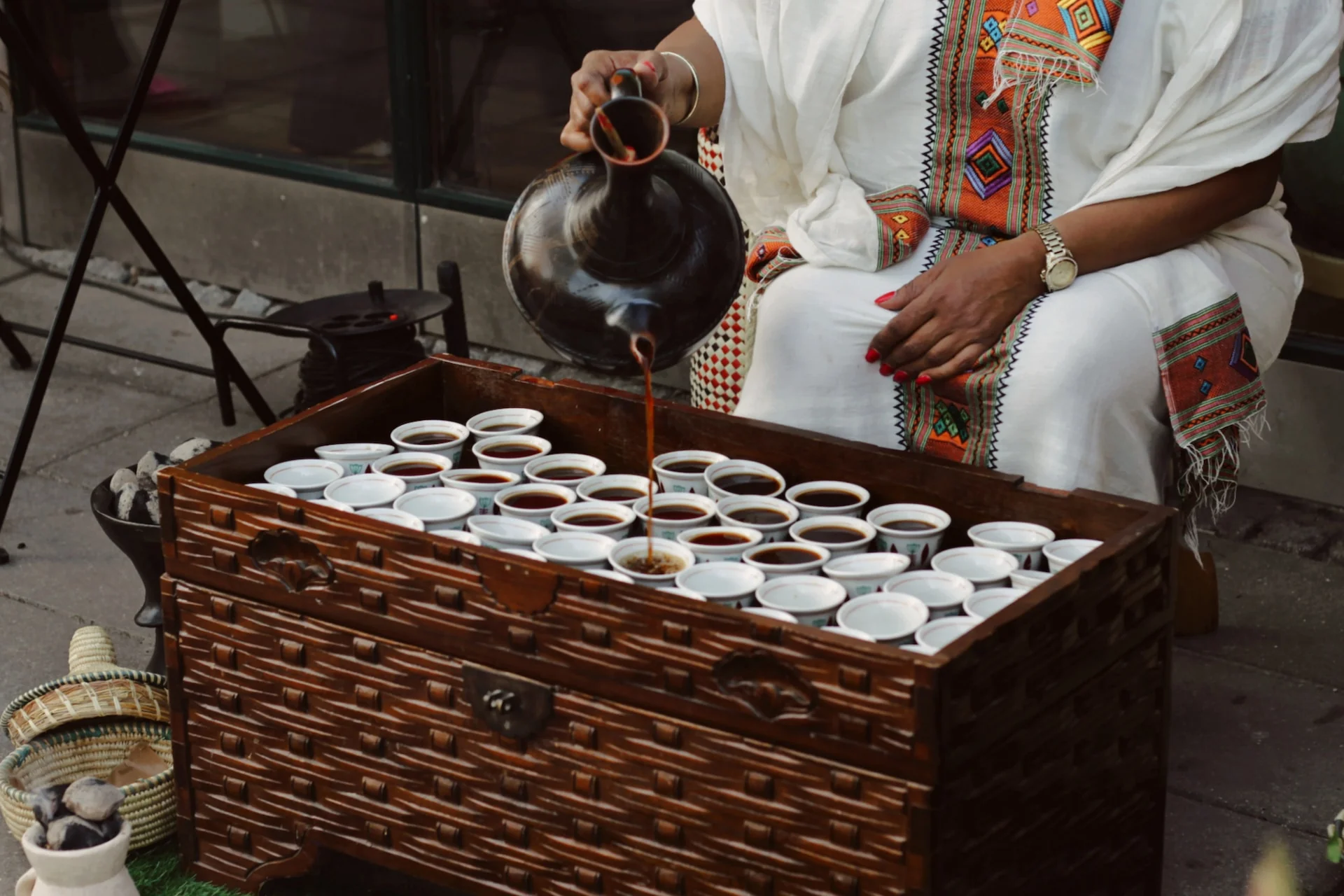
Long before espresso machines, pour-over drippers, and capsule systems existed, coffee was brewed using simple tools, open flames, and deeply rooted rituals. These early brewing methods weren’t just ways to make coffee—they were cultural practices, social ceremonies, and daily habits that shaped how coffee spread across continents.
In this comprehensive guide, we explore the world’s oldest coffee brewing methods, where they originated, how they work, and why many of them are still cherished today. From clay pots and copper kettles to sand-heated brews and communal ceremonies, these methods reveal coffee in its most authentic form.
The Origins of Coffee Brewing
Coffee’s story begins in Ethiopia, where coffee cherries were first consumed centuries ago. Early coffee wasn’t brewed as we know it today. Instead, beans were often chewed, crushed, or boiled whole. As coffee traveled north into the Arabian Peninsula, brewing methods became more refined—yet remained simple, relying on immersion, heat, and time.
By the 15th century, coffee brewing had become ritualised, especially in Yemen, where some of the earliest documented coffee preparation methods emerged. These techniques laid the foundation for many brewing styles still practiced today.
1. Ethiopian Coffee Ceremony (Jebena Brewing)


The Ethiopian coffee ceremony is widely considered the oldest structured coffee brewing tradition in the world. It is far more than a brewing method—it is a cultural ritual that can last hours and symbolises hospitality, respect, and community.
Green coffee beans are washed, hand-roasted over an open flame, then ground using a mortar and pestle. The grounds are brewed in a jebena, a round-bodied clay pot with a narrow neck and spout. Water and coffee are boiled together, producing a strong, aromatic brew served in small cups without filtration.
What makes this method remarkable is its emphasis on process over speed. Coffee is brewed multiple times from the same grounds, producing successive cups with gradually lighter strength. Even today, this ceremony remains a daily practice in many Ethiopian households.
2. Turkish Coffee (Cezve Method)

Turkish coffee is one of the most influential and long-standing brewing methods in the world, dating back to the 16th century during the Ottoman Empire. It is brewed using a cezve (also known as an ibrik), a small pot traditionally made of copper.
Finely ground coffee—almost powder-like—is combined with cold water (and sometimes sugar) and slowly heated without stirring. As the coffee warms, a thick foam forms on the surface. The coffee is poured unfiltered into small cups, grounds and all.
This method produces an intense, full-bodied coffee with a thick mouthfeel. Its cultural significance is so profound that Turkish coffee preparation is recognised by UNESCO as an Intangible Cultural Heritage. Even fortune-telling using coffee grounds remains part of the tradition.
3. Arabic Coffee (Dallah Brewing)

Arabic coffee, often called qahwa, is among the oldest coffee styles still consumed today. Originating in Yemen and spreading throughout the Middle East, this brewing method emphasises light roasting, aromatic spices, and ceremonial serving.
Coffee beans are lightly roasted, ground coarsely, and brewed with water—often infused with cardamom, saffron, or cloves. The coffee is prepared in a pot and served from a dallah, a long-spouted traditional coffee pot.
Unlike Turkish coffee, Arabic coffee is lighter in body and colour, focusing on fragrance rather than strength. It is served in small handle-less cups and continually refilled as a sign of hospitality. Refusing coffee can even be considered impolite in some cultures.
4. Greek Coffee (Briki Method)

Greek coffee closely resembles Turkish coffee but carries its own identity and cultural nuances. Brewed in a briki, a small metal pot, it uses very fine coffee grounds and water heated slowly over low heat.
The hallmark of Greek coffee is kaimaki, the thick foam that forms on top. Like Turkish coffee, it is served unfiltered, with grounds settling at the bottom of the cup. The coffee is strong, rich, and meant to be sipped slowly.
Historically, Greek coffee houses served as social centers where people gathered to debate politics, exchange news, and socialise. Even today, the briki method is cherished for its simplicity and depth of flavor.
5. Cowboy Coffee (Open-Fire Brewing)

Cowboy coffee may not have ancient origins like Ethiopian or Arabic methods, but it represents one of the oldest Western brewing styles. Popularised in the 18th and 19th centuries by soldiers, settlers, and cowboys, this method required no special equipment.
Coarsely ground coffee was boiled directly in water over a campfire. Once brewed, cold water was sometimes added to help grounds settle before pouring. The result was a strong, smoky coffee designed for practicality rather than refinement.
Despite its rugged reputation, cowboy coffee demonstrates a timeless principle: immersion brewing over heat—one of the earliest techniques humans used to extract flavour from coffee.
6. Indonesian Boiled Coffee (Kopi Tubruk)

Kopi Tubruk is Indonesia’s traditional coffee brewing method and closely resembles unfiltered immersion styles. Finely ground coffee is added directly to hot water, often with sugar, and left to settle before drinking.
This method emphasises bold flavour and minimal equipment. It is commonly enjoyed in homes and roadside stalls, highlighting coffee as an everyday drink rather than a luxury.
Kopi Tubruk reflects how coffee adapted to local culture—simple, strong, and accessible—while preserving early brewing principles.
7. Scandinavian Boiled Coffee (Kokkaffe)

Kokkaffe is a traditional Nordic brewing method once common in rural Scandinavia. Coffee grounds are boiled directly in water, similar to cowboy coffee, then poured carefully to avoid sediment.
This method predates modern filters and was especially popular in outdoor and communal settings. Though less common today, kokkaffe remains part of Nordic coffee heritage, especially among older generations and outdoor enthusiasts.
Why These Ancient Brewing Methods Still Matter
Despite advances in technology, these ancient brewing methods continue to influence modern coffee culture. Techniques like immersion brewing, unfiltered extraction, and slow heating directly inspired methods such as the French press, AeroPress, and even certain espresso styles.
More importantly, these methods remind us that coffee was never meant to be rushed. They emphasise ritual, patience, and connection, qualities that modern coffee lovers are rediscovering in slow coffee movements worldwide.
Ancient vs Modern Brewing: What’s the Difference?
Ancient methods focus on full immersion, natural sediment, and minimal tools. Modern methods prioritise clarity, precision, and repeatability. Neither is better—just different. Many coffee enthusiasts find that revisiting traditional methods offers richer textures, deeper flavours, and a more meaningful experience.
Final Thoughts: Coffee Before Convenience
The world’s oldest coffee brewing methods tell a story of humanity’s relationship with coffee—one rooted in community, tradition, and simplicity. From clay pots in Ethiopia to copper cezves in Turkey and open-fire kettles in the wilderness, these methods show us coffee in its purest form.
If you’ve never tried brewing coffee the old way, consider it an invitation. Strip away the machines, slow down the process, and reconnect with coffee’s origins. You may discover that the oldest methods still offer some of the most memorable cups.


One Comment